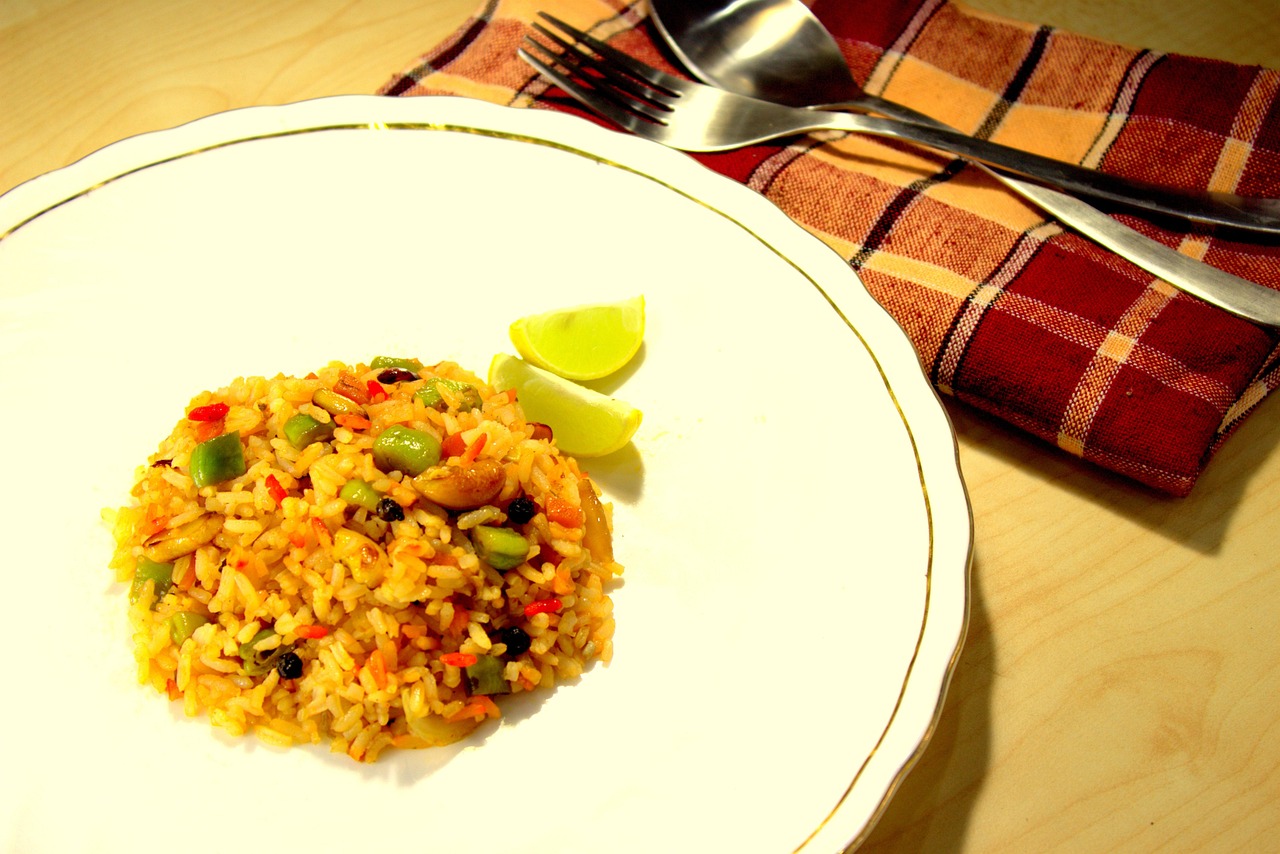
A large pot was placed on the table. Shut your eyes. A lovely, aromatic vapour is released when the seal is broken. It has a scent reminiscent of basmati rice, toasted spices, and fresh herbs. This is how the well-known dish biryani functions. In the culinary world, vegetarian biryani is as well-known as its meat-based counterparts.
This is not merely a vegetarian contingency plan. In and of itself, vegetable biryani is an artistic creation. This dish is a royal way to showcase the produce from the garden. It tastes fantastic and is vibrant and intricate. Let’s explore this well-known masterpiece’s world.
A Brief History: What Was the Origin of Veg Biryani?
When the Mughals arrived in India, they prepared biryani using their intricate Persian-inspired cooking techniques. The Persian word “birian,” which translates to “cooked before frying,” is where the name comes from. This frequently meant marinated meat in the royal kitchens.
India, on the other hand, has a long history of vegetarianism and a diverse population. They took the concept and turned it into their own. Some regions, such as Gujarat, Tamil Nadu, and Kerala, began creating their own variations by substituting paneer, nutritious vegetables, and aromatic spices for the meat. As a result, vegetarian biryani was developed, a dish that suits both ordinary families and emperors.
Why is vegetable biryani so unique?
It’s common for people to confuse biryani with pulao, but you should try authentic biryani. The way they are layered and the lengthy “Dum” cooking process are the primary differences between them. The ingredients cook slowly in their own steam because the dough seals the saucepan. This effectively blends the flavours while keeping each rice grain distinct and fluffy.
For the magic to be effective, three conditions must be met:
1. The Rice: To prevent mushiness during cooking, aromatic, long-grained basmati rice is parboiled until just barely tender.
2. The Vegetables: Having a wide variety of colours is crucial! Consider including potatoes, cauliflower, beans, carrots, paneer, green peas, or even mushrooms for a heartier meal.
3. The food is distinguished by its aromatics. By combining whole spices such as cardamom, cloves, cinnamon, and star anise with fried onions (birista), fresh mint, cilantro, and a small amount of saffron soaked in milk, you can create a wide variety of flavours.
A Short Guide to Making Vegetable Biryani at Home
Even though the recipes vary, the procedures for creating a delicious biryani are always the same.
1. Prepare the rice: Bring the basmati rice to a boil with all the seasonings until it is 70% cooked. Remove and reserve the water.
2. In a different pan, heat the onions, ginger-garlic paste, and spices to make the gravy. Add tomatoes, yoghurt, and any other vegetables you like. This can be turned into a spicy, thick sauce.
3. The Layering: In a thick-bottomed pot, begin with a layer of vegetable gravy. Cover with a layer of rice. Add the herbs, fried onions, and saffron milk. Repeat the layers.
4. The Dum (Slow Cooking): Cover the pot with dough or a lid to keep it closed. Reduce the heat to very low and cook for 20 to 30 minutes. The flavours now meld and intensify.
5. Serve: Gently fluff the biryani with a fork to mix the layers together a bit. Serve it hot with chilled salad, salan (gravy), or raita.
An Examination of Vegetables in India The biryani
This dish’s ability to adapt to your location is one of its best features:
Hyderabadi vegetarian biryani is known for its strong, spicy spices, saffron, and a lot of fried onions. Because it contains less chilli and more delicate flavours, Lucknowi/Awadhi Veg Biryani is a more subdued and fragrant dish.
A sweet and sour dish, Sindhi Veg Biryani frequently contains dried plums (aloo bukhara) and potatoes.
Kerala is the origin of Malabar vegetarian biryani. Shorter-grain rice, a lot of coconut oil, and fried almonds and raisins are typically used to make it.
Is eating vegetarian biryani healthy for you?
Indeed! It could be a very well-balanced dish if you prepare it carefully.
Rich in vegetables, you get a lot of vitamins, minerals, and fibre. Digestive Spices: It’s common knowledge that cardamom, turmeric, and cloves aid in digestion and lower inflammation.
While basmati rice provides energy, adding paneer or chickpeas to your meal boosts its protein content.
Use brown basmati rice, use less oil, and add even more vegetables for a healthier version.
Vegetable Biryani: A Globally Favoured Dish
Vegetable biryani is a global favourite. It’s a symbol of celebration, from weekend family dinners in Mumbai to holiday potlucks in London and New York. Because it’s naturally vegetarian and can be prepared in a variety of ways, it’s a great dish to serve to large crowds. Quinoa and tofu biryani are two new fusion variations of this traditional dish. This indicates that it is still evolving.
It’s more than just food, to put it briefly.
Vegetable biryani is a way of life rather than just a meal. The thrill of opening the sealed pot is the main focus. It’s the joy of enjoying a large, delectable meal with those you love. It demonstrates how complex, delicious, and rich vegetarian cuisine can be on par with other cuisines.
Therefore, don’t limit yourself to food the next time you’re searching for something truly amazing. Give it some thought. Consider vegetarian biryani.